
Tom Lees, resident optimist and CEO.
One of the causes of our shoddy growth has been slow infrastructure delivery and sclerotic planning. The government has taken some positive steps through the Planning and Infrastructure Act 2025 - but are the changes working?
First, some context.
From the end of the second world war until the financial crash, the UK's growth rate averaged 2.5% a year. Since 2008 it has been 1%.
That means between £11,000-17,000 per person in lost growth.
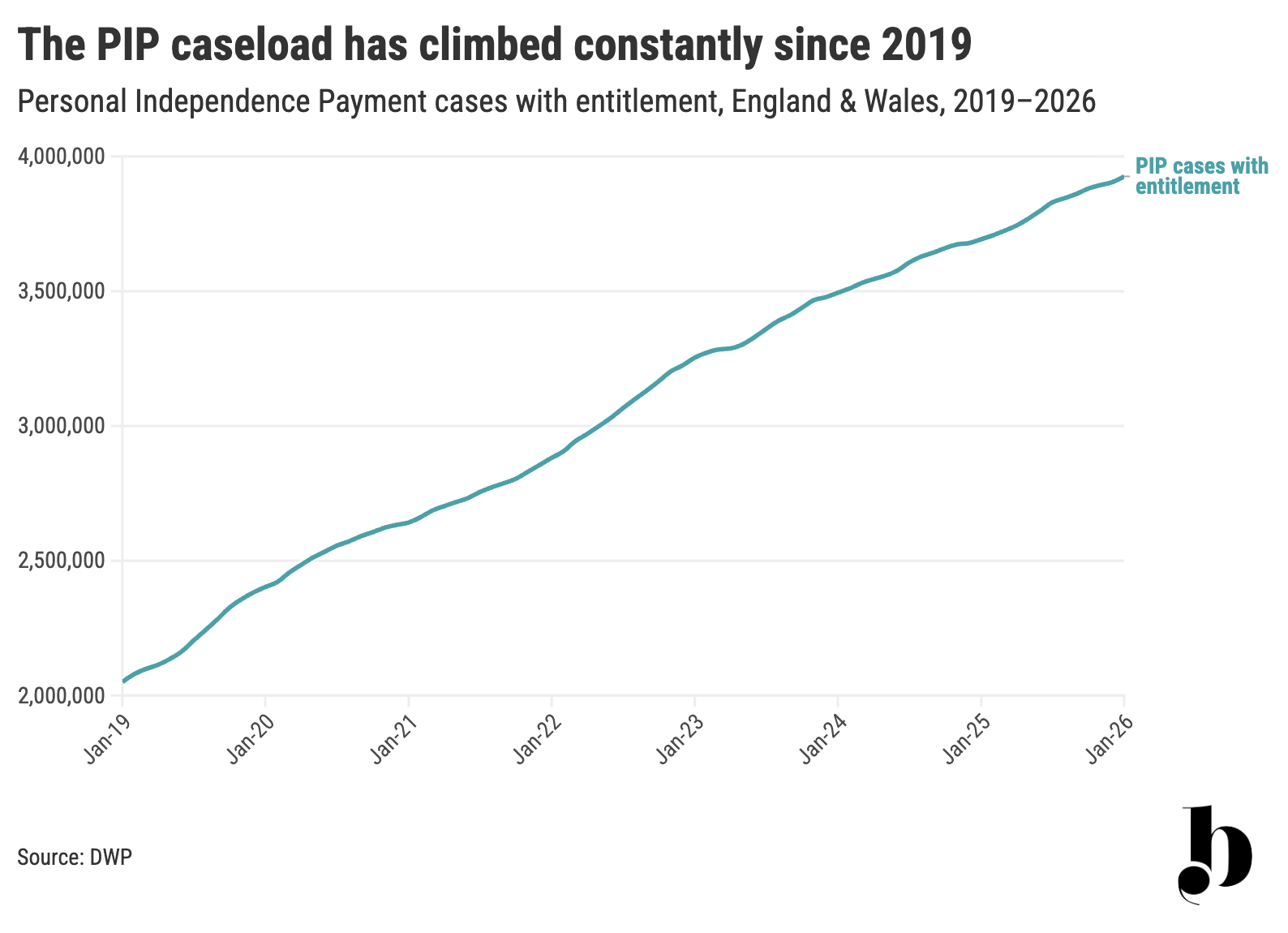
The number of people of working-age on disability benefits has gone from 2 million in 2019 to 3.5 million at a cost of £55bn a year.
Today Alan Milburn's report shows how more than a million - one million - people aged between 16-24 are not in education, employment or training.
We are undoubtedly in a serious situation.
The Planning and Infrastructure Act received Royal Assent in December last year and a large tranche of its provisions came in on 18 February 2026. For a number of the changes - e.g. pre-application requirements, the nature restoration fund - it is too early to tell if they are having a positive impact.
Where we can look at for impacts is judicial reviews.
The Act cut a claimant's attempts to win permission for a meritless challenge from three to one. A parish council recently challenged the Stonestreet Green Solar DCO (for 99MW of solar power). It was thrown out as "totally without merit" in roughly four months. Under the old regime, the same claimant would have had three bites of the cherry.
A local NIMBY group challenged Luton Airport's expansion DCO. The High Court ruled against them in December 2025. They tried to appeal the decision but were 9 days later than the new challenge deadline of 7 days, so the Court of Appeal blocked any further challenge.
Positive progress. The government and others clearly think more is needed.

Last week a policy note was published suggesting two new mechanisms could be introduced (through another Act) that further limit legal challenges. Government are consulting.
The first is to allow a narrow range of energy projects (decided by the Energy Secretary) to go to parliament for 'authorisation'. This vote of parliament would be the equivalent of primary legislation and hence very hard to challenge. A great idea from the talented Robbie Owen and/or Catherine Howard I am sure.
The second is to introduce a 'challenge window'. The relevant Secretary of State would publish a draft decision. A fixed period of time would then be allowed, during which a judicial review must be lodged. Any issues flagged during this period can be addressed before the final order is made reducing chance of a successful JR.
Good ideas but:
Why were they not implemented in the first Act?
Why not allow schemes other than energy projects to seek protection from parliamentary authorisation?
Why not expand the use/remit of Special Development Orders given dire economic need?
