
The Labour Party has rapidly turned against Sir Keir Starmer. What comes next and what do the candidates stand for?
The Labour Party has rapidly turned against Sir Keir Starmer after disastrous local election results which saw Labour wiped out in many of their previous heartland councils and the debacle involving Mandelson.
The King’s speech today opens the new session of parliament and should set out a forward looking agenda for the government. However it is now nearly wholly irrelevant as the real question is not if the PM will go, but when.
It is likely that, at the latest, Keir will not be prime minister past the Labour Party Conference in the autumn.
Labour MPs have two main routes to get him out:
81 or more Labour MPs have to be publicly happy to back an alternative candidate triggering a leadership contest. Keir is automatically on the ballot paper.
The Cabinet clearly tells him that time is up and he needs to go - some emerging signs that this may be underway. He could look to sack Ministers and replace them, but that would not work and the party would be even more ungovernable.
The likely candidates:
The three most touted replacements for prime minister are Andy Burnham, Wes Streeting and Ed Miliband. Each has strengths and large challenges to overcome including - if successful - sticking the Labour Party back together.
Andy Burnham (56)
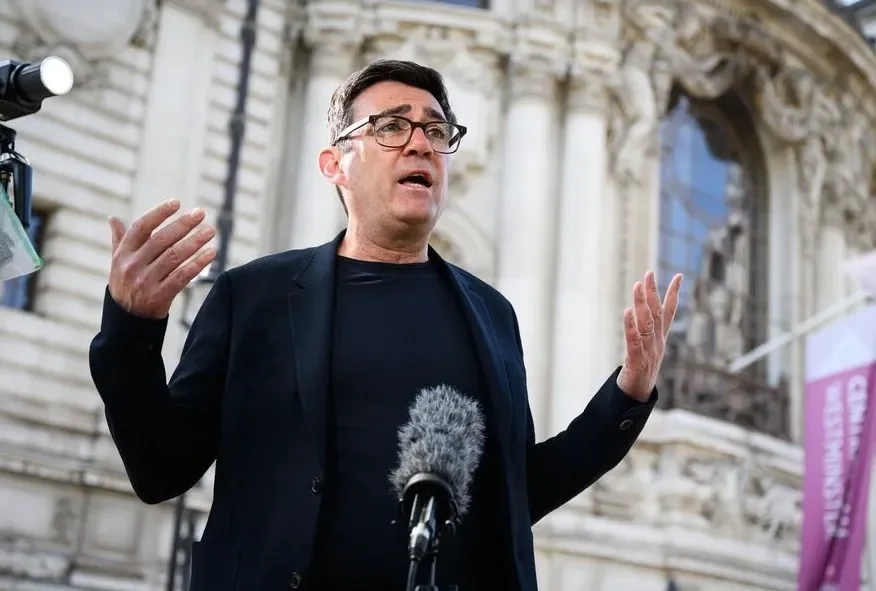
Burnham is often seen as the most electorally attractive successor to Starmer. As current Mayor of Greater Manchester, he has built a high-profile brand, identified as a greater communicator, and shown an ability to connect with voters beyond Labour’s traditional base.
However, his route to the premiership is the most complicated. Lacking a seat in parliament, Burnham needs to return to Westminster before mounting a leadership challenge. That could be months off which is why his supporters have been pushing for the PM to set out a timetable towards September rather than going immediately.
He would need an MP to stand down - likely in the North West - and then fight and win the seat. The challenge is that many of the likely constituencies are now much more firmly in the hands of Reform UK or Greens who may actually end up winning the seat.
Burnham’s also coming under increasing criticism for his historic shifting of political positions with rivals likely to play on that and accuse Burnham of inconsistency and opportunism during a leadership contest. He has already contested two disastrous leadership elections - trying to straddle too many factions to get elected hence he is known as ‘flip flop Andy’.
He will play up his ‘outsider to Westminster’ credentials and the one who best understands voters. However, despite his reinvention, his career has been very much one of a Westminster insider.
Ed Miliband (56)
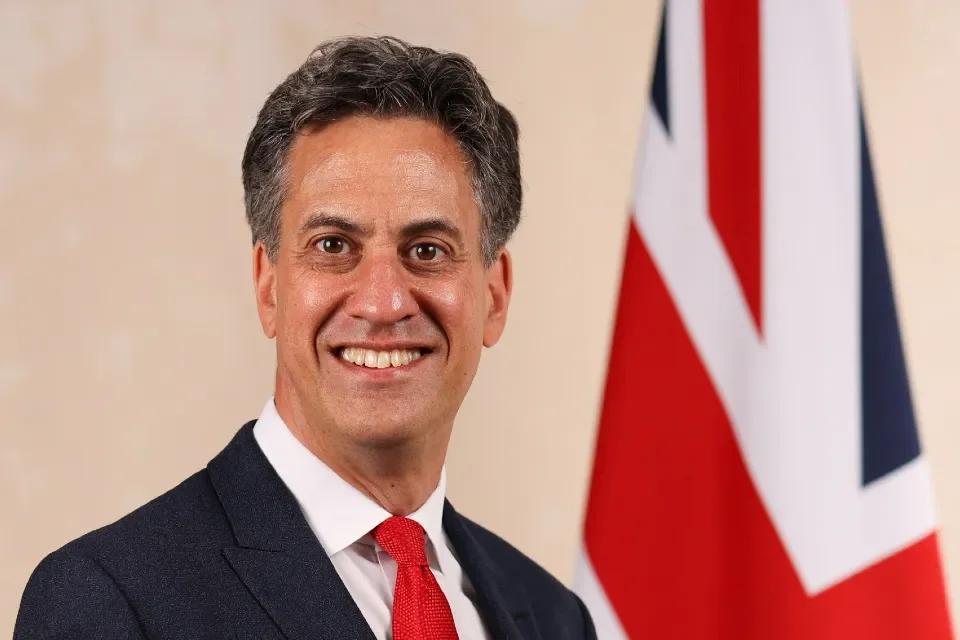
Some MPs argue that Miliband comes with an advantage given his prior role as Labour Party leader (2010-2015) others may see it as baggage.
He’s well known, regarded and respected in the party but less so with some unions (e.g. the GMB) who have been critical of his management of the net zero transition. He retains positive support among the party base and MPs despite his 2015 election defeat which is a distant memory. However, perhaps the electorate still recalls the bacon sandwich and the Ed Stone?
Over the last two years and in his role as Energy Secretary, he has developed credibility for delivery. His supporters will argue that Miliband has great political experience and resilience, making him a stronger candidate second time round.
Arguably, he has been one of Labour’s more credible ministers on delivery. He has a clear vision for the energy transition and has pursued it with passion and vigour. Net zero is also one of the unifying issues on the Left.
Would Ed prefer to be the kingmaker or to try and take the leadership crown for a second time himself?
Wes Streeting (43)
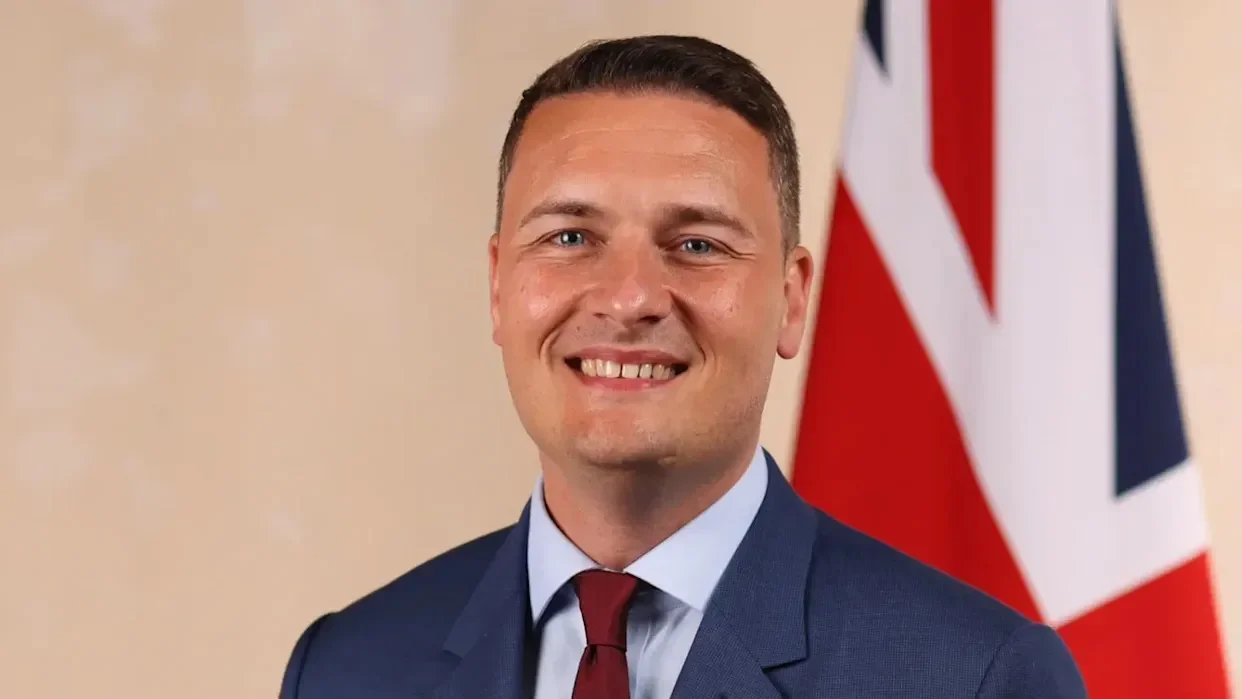
Streeting is widely viewed as one of the most polished media performers and is well prepared for the leadership campaign to come. His team has been quietly preparing his leadership campaign for months and has told Sir Keir as much.
He is articulate and charismatic with a working class background. Streeting’s success as Health Secretary has positioned him as focused on delivery and performance.
However, his past association with Peter Mandelson is damaging. While Wes published an exchange of messages with the former US Ambassador, rivals will likely critique Streeting for being too ‘right-wing’ and overly aligned to Tony Blair.
The only way for him to win is by ‘coronation’ as if it reaches the membership against anyone to the left of him they will win.
Other candidates
A number of additional contenders have been bandied around. Angela Rayner most notably, but we think Burnham, Miliband and Streeting are much more likely bets. Why not the others?
Angela Rayner: Rayner certainly will have considered herself a future leadership contender with a political identity that appeals to sections of Labour’s soft left. However, she has just had to pay £40k in back tax and is not that popular with the public. Although a good communicator, she is not generally seen as a great ‘policy brain’. Therefore, she is unlikely, in the short term, to challenge to Keir Starmer.
Rayner will remain influential within Labour circles and the unions. But as things stand, she looks more likely to be an important factional voice within the soft left rather than the central vehicle for a coordinated leadership challenge. She is likely to be back in Cabinet.
Shabana Mahmood: Mahmood is a serious Cabinet figure who has delivered policy change. She has been involved in internal pressure on Starmer, but she is unlikely to be the next leader. Her politics sit on the more socially conservative/Blue Labour side of the party, which limits her appeal with the membership and MPs. Recent LabourList polling put her as the least popular Cabinet minister among Labour members. She may be forced out of the Cabinet.
John Healey: Healey is highly experienced and well regarded as a steady departmental operator, particularly on defence, but he has little visible leadership campaign infrastructure or obvious factional base. His profile is more that of a senior Cabinet stabiliser than a candidate who could galvanise MPs and members behind a post-Starmer reset. He may come forward as a ‘caretaker’ while a full contest is held or be kept on in his current role.
What do the top three contenders look like on policy?
Streeting - Pro-Growth Reformer
Streeting’s economic positioning has centred around the idea that Labour must remain visibly pro-business while still pursuing reform. On Heathrow and wider infrastructure spending, he has broadly aligned himself with Labour’s growth agenda, supporting faster delivery of major projects and planning reform to unlock investment.
His rhetoric has focused on stressing improved public-private partnerships. At the inaugural Investment Summit in October 2014, Streeting argued that stronger labour protections and economic growth are mutually reinforcing - “being pro-business and pro-worker is the roots of being pro-growth”, positioning himself as focused on balancing investment confidence with social outcomes.
Unsurprisingly, his investment priorities have been centered on NHS reform, life sciences and innovation - designed to appeal to both business leaders and the electorate.
Miliband - Green Industrial Strategist
Miliband’s positioning is heavily influenced by climate policy, state intervention and industrial strategy. His position on Heathrow expansion reflects this clearly: supportive in principle if the project were to meet legally binding climate change goals, as well as local environmental standards.
Across planning and infrastructure, he favours a stronger role for the state in directing investment and shaping markets. On housing, he has advocated “use it or lose it” planning powers and backed the construction of new towns.
Economically, Miliband remains associated with redistribution and market reform, having traditionally backed measures such as mansion taxes, while his new focus falls under the vision for deeper green investment and long-term industrial renewal.
Burnham - The Regional Candidate
Burnham’s political brand is closely tied with his successes as Greater Manchester Mayor and the investment, transport connectivity and devolved powers he has secured.
His infrastructure policies are rooted in the argument that The North has been systematically underfunded - he famously accused Sunak’s Government of “making the north pay” for successive HS2 failures as he questioned the levelling up agenda - “my arse” - to the Independent’s Jon Stone.
Burnham has also pushed for greater local control over planning powers, arguing that mayors and regions should shape regional economic growth. Burnham is pro-worker, union-aligned, yet takes a pragmatic approach to attracting business investment across Greater Manchester. His broad economic agenda focuses on regional resilience, wages and job security.
What does this mean for the big issues in infrastructure?
Understanding the intention and ‘vibes’ of our candidate on policy in general is useful, but we need to understand how they would likely steer the Labour party on specific ongoing policy areas, hitting business’ bottom lines. Here’s a summary…
Heathrow expansion
Streeting: Most likely to back Heathrow as part of Labour’s pro-growth, infrastructure-led agenda.
Miliband: Generally against Heathrow expansion. More recently, he said he would support it if it met strict carbon, net zero obligations and environmental tests.
Burnham: Currently sceptical of Heathrow as it reinforces London-centric investment; likely to prioritise regional connectivity but open to persuasion.
Planning reform
Streeting: Most aligned with the current Planning and Infrastructure Bill agenda, on the basis of his voting record and pro-business framing.
Miliband: Co-architect of the current reforms, with a particular interest in unblocking clean energy infrastructure consents.
Burnham: Strong devolution-focused critique of how infrastructure investment is distributed, but limited public commentary on the substance of the planning regime itself.
Business taxes
Streeting: Pro-business framing in government and has stood by the employer NIC rise while seeking mitigations for affected health providers; earlier-career positions on corporation tax and capital gains suggest more interventionist instincts.
Miliband: The clearest redistributionist of the three, with a track record of mansion tax and 50p rate advocacy now partly realised in the Autumn 2025 Budget; not on the public record on NIC.
Burnham: A corporation tax sceptic with a stated preference for shifting the tax burden from labour towards capital; no public position on the current employer NIC rise.
Employment and workers rights
Streeting: Pro-worker, but most focused on balancing new rights with business confidence and investment.
Miliband: Strongest pro-union candidate, likely to defend Labour’s employment rights agenda most robustly.
Burnham: Pro-worker and pragmatic, with a focus on fair pay, secure work and using public levers to improve employer behaviour. Has had battles with unions in Manchester.
Capital investment
Streeting: Most likely to frame capital investment around business confidence, productivity, public service reform and private-sector partnership.
Miliband: Most committed to green investment and industrial strategy, with clean energy infrastructure central to his growth model.
Burnham: Most focused on changing the geography of investment, with a stronger role for devolved institutions in shaping transport, housing and infrastructure priorities.
HS2 and infrastructure spending
Streeting: Likely to back infrastructure-led growth, with an emphasis on deliverability, investor confidence and avoiding another HS2-style cost failure.
Miliband: Pro-infrastructure where it supports clean growth, but most likely to apply a firm net zero test to major transport (roads) and aviation schemes.
Burnham: Strongest advocate for renewed northern transport investment, including HS2 Phase 2 and Northern Powerhouse Rail, with infrastructure framed as central to regional and national growth. He will likely want to shift spending away from the South East towards other regions.
Housebuilding
Streeting: Closely aligned to the current pro growth planning reform agenda, with housebuilding framed as central to growth, investment and delivery.
Miliband: Supportive of planning reform and housebuilding, but with greater emphasis on affordability, land reform, new towns and accelerating clean energy infrastructure.
Burnham: Backs large-scale housebuilding tied to regeneration and affordable housing, with a stronger focus on devolution and regional control over investment and delivery.
